
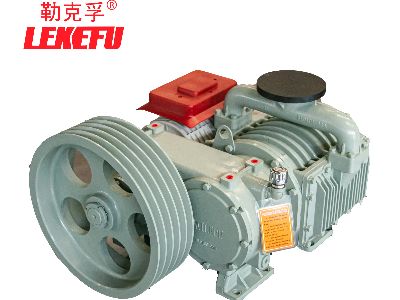
Reciprocating air compressors are crucial components in various industrial and commercial applications, providing reliable compressed air for tools, machinery, and equipment. Understanding the working principles of reciprocating air compressors and implementing efficiency tips can significantly impact performance, maintenance, and operating costs. This article aims to address common concerns for purchasing managers, engineers, and product managers, offering insights into evaluating compressor efficiency, key specifications, cost factors, common problems, and installation guidance.
How to Evaluate Reciprocating Air Compressor Efficiency?
To evaluate the efficiency of reciprocating air compressors, consider the following key performance metrics:
Volumetric Efficiency: This measures how effectively the compressor converts its input power into useful compressed air. A higher volumetric efficiency indicates that the compressor is capable of delivering more air for the same amount of energy consumed.
Specific Power Consumption: This refers to the amount of power required to produce a unit volume of compressed air compressor, typically measured in kW/m³. Lower specific power consumption values suggest a more efficient compressor.
Operational Pressure and Flow Rate: Check the compressor’s rated pressure and flow rate against your specific application needs. An efficient compressor should meet these demands without excessive energy use.
Maintenance Requirements: Efficient compressors often feature components designed for easy maintenance, reducing downtime and ensuring consistent performance. Regular maintenance practices, including lubricating moving parts and replacing filters, can also enhance efficiency.
Load/Unload Operation: Evaluate whether the compressor operates in a load/unload mode, which can optimize energy consumption. Compressors that can modulate their output based on demand can significantly reduce energy costs.
Key Specifications for Reciprocating Air Compressors You Should Know
When selecting a reciprocating air compressor, pay attention to the following specifications:
Horsepower (HP): This indicates the power output of the compressor. Ensure the horsepower aligns with your operational requirements to avoid underperformance or overloading.
Tank Size: The size of the air receiver tank affects the compressor’s ability to supply compressed reciprocating air compressor during peak demand. Larger tanks can help maintain pressure and reduce cycling frequency.
Pressure Rating: Measured in psi (pounds per square inch), this specification indicates the maximum pressure the compressor can generate. Ensure the pressure rating meets your application needs.
Cubic Feet per Minute (CFM): This measures the airflow output of the compressor. It's essential to match the CFM rating with the air demand of your tools and equipment to ensure adequate supply.
Duty Cycle: This indicates how long a compressor can run continuously before needing a cooldown period. A higher duty cycle is preferable for applications requiring prolonged use.
Noise Level: Noise output, typically measured in decibels (dB), is crucial in work environments where sound levels need to be managed. Select a model that meets acceptable noise level standards for your facility.
Cost Factors to Consider When Purchasing Air Compressors in Bulk
When purchasing reciprocating air compressors in bulk, consider the following cost factors:
Unit Price: The initial price per unit can vary significantly based on brand, specifications, and features. Bulk purchases often come with discounts, so inquire about pricing structures.
Shipping and Handling: Factor in shipping costs, which can vary based on distance, weight, and delivery method. Ensure to get quotes from multiple suppliers to find the best deal.
Installation Costs: Budget for installation expenses, which may include labor, necessary accessories (like fittings and hoses), and potential modifications to existing infrastructure.
Maintenance and Operating Costs: Assess the long-term costs associated with maintenance, energy consumption, and potential repairs. Investing in more efficient models may result in lower operating costs over time.
Warranty and Support: Consider the warranty period and the manufacturer’s support services. A robust warranty can save costs on single stage reciprocating air compressor and provide peace of mind.
Common Problems with Reciprocating Air Compressors and Their Solutions
Understanding common issues can help in troubleshooting and maintaining reciprocating air compressors effectively:
Overheating: This can be caused by insufficient lubrication, blocked cooling vents, or high ambient temperatures. Regularly check oil levels and ensure proper ventilation to mitigate overheating risks.
Low Pressure Output: If the compressor fails to provide adequate pressure, it may be due to leaks in the air system, worn piston rings, or a malfunctioning pressure switch. Conduct regular leak tests and inspect components for wear.
Excessive Noise: Unusual noises can indicate loose or damaged parts, such as bearings or the crankshaft. Regular inspection and maintenance can help identify and rectify these issues before they escalate.
Frequent Cycling: If the compressor frequently turns on and off, it may be undersized for your application. Ensure the compressor is appropriately matched to your air demand to prevent short cycling.
Oil Contamination: Oil carryover can lead to contamination of the compressed air supply. Use high-quality lubricants and install filters to minimize this risk.
Installation Guidance for Efficient Use of Reciprocating Air Compressors
Proper installation is critical for optimal performance of reciprocating air compressors. Follow these guidelines:
Location: Select a well-ventilated area to install the compressor, away from heat sources and moisture. Ensure there is adequate space for maintenance access and air circulation.
Mounting: Level the compressor and secure it to a stable surface to minimize vibrations. Proper mounting can help extend the life of the compressor and reduce noise.
Piping: Use appropriately sized piping to connect the compressor to the air distribution system. Pipe diameter impacts air flow; too small can reduce efficiency, while too large can increase costs without benefits.
Electrical Connections: Ensure electrical connections comply with local codes and standards. Use a qualified electrician to connect the compressor to avoid potential hazards.
Testing: Once installed, conduct thorough testing to check for leaks, sound levels, and pressure consistency. Monitoring performance during the initial operation can help identify any installation-related issues.
By understanding the working principles and efficiency tips of reciprocating air compressors, purchasing managers, engineers, and product managers can make informed decisions to optimize performance and reduce costs. Whether evaluating efficiency metrics, understanding specifications, or navigating the purchasing process, this knowledge is essential for successful implementation in industrial and commercial settings.
Table of Contents
- How to Evaluate Reciprocating Air Compressor Efficiency?
- Key Specifications for Reciprocating Air Compressors You Should Know
- Cost Factors to Consider When Purchasing Air Compressors in Bulk
- Common Problems with Reciprocating Air Compressors and Their Solutions
- Installation Guidance for Efficient Use of Reciprocating Air Compressors