
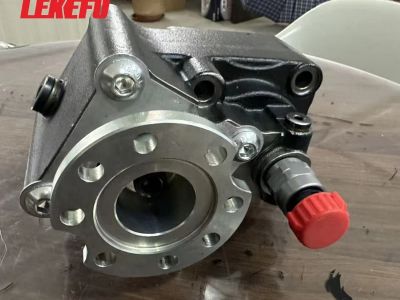
Understanding the significance of IATF 16949 certification is crucial when sourcing transmission parts for commercial vehicles. This internationally recognized standard focuses on quality management systems specifically for the automotive sector. For purchasing managers and distributors, ensuring that a supplier holds this certification can significantly influence product quality and reliability. This article will delve into why IATF 16949 certification matters for transmission parts quality, guiding you through the essential specifications, comparisons, installation guidance, and common challenges associated with these components.
The Role of IATF 16949 in Your Sourcing Decisions
IATF 16949 is a quality management standard that emphasizes defect prevention and the reduction of variation and waste in the supply chain. For companies sourcing transmission parts, this certification indicates that the supplier has robust processes in place to maintain high-quality standards throughout production.
When evaluating suppliers, IATF 16949 certification serves as a benchmark for quality assurance. It signals to buyers that the manufacturer, such as Shandong Lekefu Transmission Equipment Co., Ltd., has implemented systematic procedures for quality control, from design and development to production and installation. This can help alleviate concerns regarding product reliability, a critical factor when sourcing components for commercial vehicles and construction machinery.
Moreover, an power take off transmission certified supplier is more likely to have effective feedback mechanisms to address any issues that arise during production, thereby minimizing risks associated with component failures in the field.
Key Specifications to Look for in IATF 16949 Certified Products
When sourcing IATF 16949 certified transmission parts, specific specifications can help ensure that the products meet your quality and performance needs. Here are some essential specifications to consider:
Material Selection: The materials used in transmission parts must withstand mechanical stresses, temperature variations, and environmental factors. Look for specifications that detail the exact material grades and any relevant testing standards.
Dimensional Accuracy: Precision in dimensions is critical for parts to fit properly within the transmission system. Verify the tolerances provided in the technical documentation, ensuring they align with your application requirements.
Performance Ratings: Understand the load capacity and performance ratings of transmission parts. These specifications will indicate whether the components can handle the expected operational stresses, which is vital to prevent premature failures.
Testing Protocols: Inquire about the testing methods employed during production. Certified manufacturers should have established protocols for testing durability, performance, and compliance with industry standards.
By focusing on these specifications, buyers can make informed decisions that align with their operational needs and quality expectations.
Comparing IATF 16949 Certified Transmission Parts for Quality Assurance
When comparing transmission parts from different suppliers, especially those with IATF 16949 certification, consider the following factors to ensure quality assurance:
Manufacturing Processes: Understand the manufacturing methods used by each supplier. For instance, some manufacturers may use advanced techniques such as robotic assembly and automated quality inspection, which can enhance consistency.
Quality Control Procedures: Investigate the supplier's quality control processes. This includes how they monitor production, the frequency of inspections, and how they handle non-conformances.
Customer Feedback and Performance History: Look for reviews or case studies highlighting the performance of the supplier's products in real-world applications. This can provide insights into the reliability and durability of their transmission parts.
Customization Capabilities: If your applications require specific modifications or custom designs, assess the supplier's ability to accommodate these needs without compromising quality.
By carefully evaluating these aspects, you can identify which PTO for automatic transmission supplier best meets your quality assurance needs.
Installation Guidance for IATF 16949 Certified Transmission Parts
Proper installation of transmission parts is essential to ensure optimal performance and longevity. Here are some key installation guidelines for IATF 16949 certified products:
Pre-Installation Inspection: Before installation, inspect the transmission parts for any visible defects or signs of damage. Verify that the components match the specifications outlined in the purchase order, including dimensions and material.
Follow Manufacturer Instructions: Adhere to the installation guidelines provided by the manufacturer. These instructions typically include torque specifications, alignment procedures, and recommended tools, which are critical for achieving the correct fit and function.
Use Appropriate Lubricants: Ensure that the correct lubricants are used during installation. The choice of lubricant can affect the performance and life of the transmission parts, especially under load.
Conduct Post-Installation Tests: After installation, perform functional tests to verify that the transmission operates correctly. Monitoring for unusual noises or vibrations can help identify potential issues early on.
By following these guidelines, you can maximize the performance of IATF 16949 certified transmission parts and reduce the risk of failure post-installation.
Common Problems with Transmission Parts and IATF 16949 Solutions
When dealing with transmission parts, several common problems can arise. Fortunately, IATF 16949 certified manufacturers have established solutions to address these issues effectively:
Worn Components: Wear and tear on transmission parts can lead to operational inefficiencies. Regular maintenance schedules and the use of high-quality materials can mitigate this problem. Suppliers with IATF 16949 certification are more likely to provide durable products that withstand wear over time.
Misalignment Issues: Misaligned transmission components can cause increased friction and premature failure. IATF 16949 certified manufacturers typically have stringent alignment procedures during production, ensuring that all parts fit together correctly.
Inconsistent Performance: Variability in performance can be a significant concern. Certified suppliers often utilize statistical process control techniques to monitor production quality and ensure consistency across batches.
Installation Errors: Many problems arise from improper installation. transmission PTO certified manufacturers provide detailed installation instructions and support to help buyers avoid common mistakes during the assembly process.
By selecting IATF 16949 certified transmission parts, buyers can benefit from enhanced reliability and reduced risk of common issues leading to smoother operations in their applications.
Table of Contents
- The Role of IATF 16949 in Your Sourcing Decisions
- Key Specifications to Look for in IATF 16949 Certified Products
- Comparing IATF 16949 Certified Transmission Parts for Quality Assurance
- Installation Guidance for IATF 16949 Certified Transmission Parts
- Common Problems with Transmission Parts and IATF 16949 Solutions