
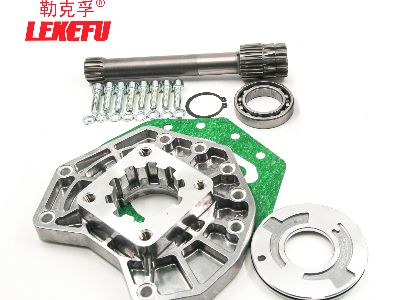
Heavy-duty truck power take-off (PTO) units are essential components used primarily in commercial vehicles and construction machinery to transfer power from the engine to auxiliary equipment. Understanding the installation process for these units is crucial for purchasing managers and engineers, as improper installation can lead to performance issues and increased costs. This installation guide for heavy-duty truck PTO units aims to address common concerns for buyers, such as product specifications, installation steps, sourcing reliable units, and troubleshooting potential problems.
How to Evaluate the Quality of Heavy Duty Truck PTO Units?
When evaluating heavy-duty truck PTO units, buyers should focus on several key aspects that determine quality and suitability for their applications. First, examine the materials used in manufacturing. High-quality PTO units are typically made from durable metals such as cast iron or high-strength steel, which can withstand the rigorous demands of heavy-duty applications.
Next, assess the manufacturing capabilities of the supplier. Look for companies with IATF 16949:2016 certification, as this indicates a robust quality management system in place. This certification is especially relevant in the automotive and industrial sectors, ensuring that products meet international standards for quality and reliability.
Additionally, review the product specifications, such as torque ratings, RPM limits, and compatibility with various truck models. These specifications directly influence the performance and longevity of the PTO unit. For example, a PTO units for trucks designed for higher torque applications will typically feature reinforced components to handle increased stress. Ensure that the supplier can provide detailed technical data sheets for their products.
Finally, consider the supplier's warranty and customer support. A solid warranty and responsive customer service indicate a manufacturer's confidence in their product quality.
Installation Steps for Heavy Duty Truck PTO Units Explained
Installing a heavy-duty truck PTO unit requires careful attention to detail to ensure functionality and safety. Here are the general steps involved in the installation process:
Preparation: Before installation, ensure that all necessary tools and equipment are available. Common tools include wrenches, torque tools, and alignment fixtures. Review the installation manual provided by the manufacturer, as specific models may have unique requirements.
Disconnect Power: Safety is paramount. Disconnect the truck's battery and ensure that the engine is off before starting the installation.
Remove Existing Components: If replacing an existing PTO unit, carefully remove it by loosening bolts and disconnecting any hydraulic lines or electrical connections. Keep track of all components for reinstallation.
Install the New PTO Unit: Align the new PTO hyd pump unit with the transmission output shaft. Secure it in place using the appropriate bolts, ensuring that all fasteners are tightened to the manufacturer’s specifications. This is critical to prevent vibration and potential damage during operation.
Reconnect Hydraulic and Electrical Lines: If applicable, reattach any hydraulic lines and electrical connectors. Ensure that all connections are secure and free from leaks.
Test the Installation: Before returning the vehicle to service, conduct a functionality test. Start the engine and engage the PTO to verify that it operates smoothly without unusual noises or vibrations. By following these steps, you can ensure a successful installation that maximizes the performance of the PTO unit.
Where to Source Reliable Heavy Duty Truck PTO Units Wholesale?
Sourcing reliable heavy-duty truck PTO units wholesale involves careful consideration of potential suppliers. Begin by researching manufacturers with a proven track record in the industry. Companies like Shandong Lekefu Transmission Equipment Co., Ltd. have established themselves by producing high-quality PTO units and other transmission equipment, supported by certifications that ensure adherence to quality standards.
When evaluating suppliers, consider their production capacity and lead times. A manufacturer with a robust supply chain and efficient production processes can better meet your demands, especially for larger orders. Moreover, inquire about their minimum order quantity (MOQ) requirements to ensure they align with your purchasing strategy.
It's also beneficial to attend industry trade shows and exhibitions. These events provide an opportunity to meet manufacturers face-to-face, evaluate their products, and discuss your specific needs. Additionally, consider leveraging online platforms that connect buyers with suppliers, enabling you to compare offerings and pricing easily.
Common Installation Problems with Truck PTO Units and Solutions
While installing heavy-duty truck PTO units, several common problems may arise. Understanding these issues and their solutions can save time and resources during the installation process.
Misalignment: If the PTO unit is not aligned correctly with the transmission, it can lead to excessive wear or failure. To prevent this, ensure that all mounting surfaces are clean and that the unit is properly positioned before tightening bolts. Using alignment tools can facilitate accurate positioning.
Hydraulic Leaks: Improperly connected hydraulic lines can cause leaks, which may lead to system failure. Ensure that all connections are secure and use new seals or O-rings during installation to prevent leaks.
Inadequate Torque: Failing to tighten bolts to the specified torque can result in vibrations and potential damage. Always use a torque wrench and follow the manufacturer’s guidelines for bolt tightening.
Electrical Issues: If the PTO unit has electrical components, ensure that all wiring is correctly connected and protected from wear. Testing electrical connections before finalizing the installation can help identify issues early.
By being aware of these common problems and their solutions, you can facilitate a smoother installation process.
Comparing Different Suppliers for Heavy Duty Truck PTO Units
When selecting a supplier for heavy-duty truck PTO units, consider several factors to make an informed decision. Start by comparing product specifications, such as torque ratings, dimensions, and application compatibility. This information is crucial to ensure that the PTO unit meets the requirements of your specific application.
Next, review the quality control processes of each supplier. A manufacturer with strict quality control measures, such as those adhering to IATF 16949:2016 certification, is likely to produce more reliable products. Ask potential suppliers about their testing procedures and any available quality documentation.
Pricing is another critical factor. While it may be tempting to select the cheapest option available, consider the total cost of ownership, including potential maintenance and replacement costs. Often, investing in a slightly more expensive, high-quality PTO and hydraulic pump unit can lead to lower long-term costs due to improved durability and reliability. Finally, evaluate customer reviews and testimonials. Feedback from other buyers can provide insight into the supplier's reliability, customer service, and product performance. A supplier with a strong reputation is often a safer choice for your purchasing needs. understanding the installation process and evaluating the quality of heavy-duty truck PTO units is vital for purchasing managers and engineers. By following this guide, you can make informed decisions that enhance your operational efficiency and minimize potential issues in the installation and usage of these critical components.
Table of Contents
- How to Evaluate the Quality of Heavy Duty Truck PTO Units?
- Installation Steps for Heavy Duty Truck PTO Units Explained
- Where to Source Reliable Heavy Duty Truck PTO Units Wholesale?
- Common Installation Problems with Truck PTO Units and Solutions
- Comparing Different Suppliers for Heavy Duty Truck PTO Units