
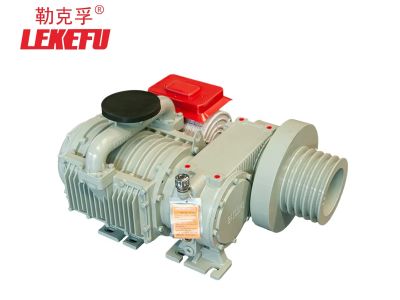
Understanding the importance of a well-planned maintenance schedule for truck mounted air compressor systems is crucial for ensuring optimal performance and longevity. These systems are vital in various industries, powering tools and equipment on the go. Buyers, such as purchasing managers and engineers, often seek to minimize downtime and maintenance costs while maximizing efficiency. This article will provide insights into the key considerations for maintaining these systems, evaluating their quality, installation guidance, cost factors, and their applications across different sectors.
Key Considerations for Truck Mounted Air Compressors
When selecting a truck mounted air compressor, several factors come into play. First, assess the compressor's air delivery rate, typically measured in CFM (cubic feet per minute). This specification indicates how much air the compressor can supply and should align with the requirements of the tools it will power. Insufficient airflow can lead to reduced efficiency and performance. Another important aspect is the type of compressor rotary screw or reciprocating. Rotary screw compressors are often favored for their efficiency and continuous operation, while reciprocating compressors can be more economical for intermittent use. Additionally, consider the compressor's maximum pressure rating, as this will impact its compatibility with various pneumatic tools. Durability is another key consideration. Look for compressors with robust construction, such as those made from high-quality auto air compressor steel or aluminum. This not only affects the lifespan of the unit but also its performance under harsh conditions, common in construction and industrial applications. Finally, check for compliance with industry standards and certifications, such as IATF 16949:2016, which ensures adherence to quality management systems.
Evaluating the Quality of Truck Mounted Air Compressor Systems
Quality evaluation of truck mounted air compressor systems involves examining several components and features. Begin by inspecting the compressor's motor, as it plays a crucial role in efficiency and reliability. A high-quality motor will often have a higher efficiency rating, leading to lower operational costs over time. Next, assess the compressor's cooling system. Effective cooling mechanisms prevent overheating, which can lead to premature failure. Look for systems with integrated cooling fans or heat exchangers that maintain optimal operating temperatures. Check the manufacturer's warranty and support options as well. A robust warranty indicates confidence in the product's durability, while good customer support can be invaluable in troubleshooting issues down the line. Lastly, consider the user reviews and feedback on the compressor's performance, particularly in real-world applications. This can provide insights into potential issues and the overall reliability of the system.
Installation Guidance for Truck Mounted Air Compressors and Maintenance
Proper installation of truck mounted air compressors is essential for their optimal operation. Begin by ensuring that the mounting location is stable and can accommodate the weight of the compressor, as well as providing sufficient ventilation for cooling. The compressor should be mounted securely to minimize vibration, which can cause wear over time. When connecting the air lines, ensure that all fittings are tight and leak-free. Use appropriate sealants where necessary to prevent air loss, which can compromise performance. It is also important to route the air compressor away from heat sources to avoid degradation. Maintenance schedules should be established based on the manufacturer’s recommendations, typically including regular oil changes, filter replacements, and inspections of hoses and connections. Implementing a maintenance log can help track these activities and any issues that arise.
Cost Factors to Consider in Air Compressor Maintenance Schedules
Understanding the cost factors associated with maintaining truck mounted air compressor systems is crucial for budgeting and financial planning. Regular maintenance is essential to prevent costly repairs and downtime. Key costs include replacement parts, such as filters, oil, and seals, which should be factored into the overall maintenance budget. Operational costs also play a significant role. These include energy consumption, which can vary based on the compressor's efficiency and workload. A well-maintained, efficient system can significantly reduce energy bills. Additionally, consider the costs associated with labor for maintenance tasks. While some tasks can be performed in-house, others may require professional servicing, which can increase overall expenditures. Establishing a predictable maintenance schedule can help manage these costs more effectively, ensuring that funds are allocated appropriately.
Applications of Truck Mounted Air Compressors in Various Industries
Truck mounted air compressors are utilized across a wide range of industries, providing essential power for pneumatic tools and equipment. In the construction industry, these compressors are commonly used to power nail guns, jackhammers, and other heavy machinery, making them indispensable on job sites. In the automotive sector, they support various tasks, including tire inflation, sandblasting, and powering air tools for repairs. Their portability allows for on-the-spot service, increasing efficiency and reducing the need for extensive setups. Additionally, they find applications in agriculture for powering equipment such as seeders and sprayers, as well as in manufacturing facilities where compressed air is essential for production processes. The versatility of truck mounted air compressors makes them valuable assets in any industry requiring reliable and mobile portable air compressor supply solutions. By understanding these considerations and best practices, potential buyers can make informed decisions when purchasing and maintaining truck mounted air compressor systems, ultimately enhancing operational efficiency and reducing long-term costs.
Table of Contents
- Key Considerations for Truck Mounted Air Compressors
- Evaluating the Quality of Truck Mounted Air Compressor Systems
- Installation Guidance for Truck Mounted Air Compressors and Maintenance
- Cost Factors to Consider in Air Compressor Maintenance Schedules
- Applications of Truck Mounted Air Compressors in Various Industries