
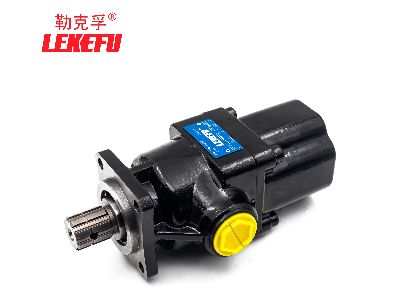
Understanding the differences between axial and radial piston pumps is crucial for selecting the right equipment for heavy-duty tasks. This article explores the key specifications of both pump types, evaluates cost factors, and provides insights on sourcing and installation. As a B2B buyer, you may be concerned about performance, compatibility, and value for money. By the end of this article, you will have a clearer understanding of which piston pump suits your operational needs best.
Key Specifications vs Radial Piston Pumps for Heavy-Duty Tasks
Axial and radial piston pumps differ primarily in their design and operational mechanics, which directly impact their performance in heavy-duty applications.
Axial Piston Pumps
Design: In axial piston pumps, the pistons are arranged parallel to the drive shaft. The axial arrangement allows for a more compact design and higher efficiency.
Pressure Rating: These pumps typically operate at higher pressures, making them suitable for applications requiring significant force, such as construction machinery.
Flow Rate: They usually offer a variable flow rate, which is advantageous for applications that need adjustable output.
Radial Piston Pumps
Design: Radial piston pumps feature pistons arranged in a circular pattern around the drive shaft. This design is beneficial for providing a more constant flow rate.
Pressure Rating: While they can handle high pressures, radial pumps generally excel in delivering consistent performance under varying loads.
Durability: These pumps are known for their robustness and longevity, often preferred in applications where reliability is critical.
Choosing between axial piston pump and radial piston pumps requires understanding these specifications and how they align with your specific operational requirements.
How to Evaluate Cost Factors for Axial and Radial Piston Pumps?
When considering the purchase of axial or radial piston pumps, evaluating cost factors is essential for making an informed decision. Here are some key considerations:
Initial Purchase Price: Axial pumps may have a higher upfront cost due to their complex design and efficiency. However, they can offer lower operational costs if properly matched with the application.
Maintenance Costs: Radial pumps are generally easier to maintain due to their simpler design. Lower maintenance costs can lead to significant savings over time, especially in heavy-duty applications where downtime is costly.
Operational Efficiency: Efficiency impacts long-term costs. axial plunger pump may provide higher efficiency in certain applications, resulting in reduced energy consumption compared to radial pumps.
Lifespan and Warranty: Factor in the expected lifespan and warranty offered by the manufacturer. A longer-lasting pump with a robust warranty may justify a higher initial price.
Understanding these cost factors will help you assess the total cost of ownership and make a financially sound decision.
Where to Source Reliable Axial and Radial Piston Pumps for Bulk Orders?
Sourcing reliable axial and radial piston pumps requires careful consideration of suppliers to ensure quality and performance. Here are some tips on how to find dependable sources:
Manufacturer Reputation: Look for manufacturers with industry certifications, such as IATF 16949:2016, which indicates a commitment to quality management. Shandong Lekefu Transmission Equipment Co., Ltd. is an example of a manufacturer with a strong reputation and quality assurance processes.
Production Capacity: Evaluate the supplier's production capacity and lead times. Ensure they can meet your bulk order requirements without compromising quality.
Customization Options: Depending on your application, you may need customized solutions. Ensure the supplier can adapt their products to meet your specifications.
Customer Support: Reliable suppliers should offer excellent customer support, including technical assistance and after-sales service. This can be crucial for troubleshooting and maintenance.
References and Reviews: Seek references from other companies that have sourced from the manufacturer. Reviews and testimonials can provide insight into the supplier's reliability and product performance.
Taking the time to vet suppliers can lead to a more successful purchasing experience and better long-term relationships.
Understanding the Applications of Axial vs Radial Piston Pumps in Industry
Both axial and radial piston pumps have distinct applications across various industries. Understanding these applications can guide your decision-making process.
Axial Piston Pumps
Construction Machinery: Their high-pressure capabilities make axial piston pumps ideal for excavators, loaders, and other heavy machinery.
Mobile Equipment: These pumps are often used in hydraulic systems for mobile equipment that requires adjustable flow rates.
Radial Piston Pumps
Industrial Automation: Radial piston pumps are widely used in systems requiring consistent flow, such as hydraulic presses and assembly lines.
Manufacturing: Their reliability and durability make them suitable for manufacturing environments where breakdowns can halt production.
By aligning the pump type with your industry applications, you can enhance efficiency and operational effectiveness.
How to Install Axial and Radial Piston Pumps for Optimal Performance?
Proper installation of axial and radial piston pumps is crucial for achieving optimal performance. Here are some best practices to consider:
Preparation: Before installation, ensure that the mounting surface is clean and free from debris. Check that all components are compatible and that you have the necessary tools for assembly.
Alignment: Proper alignment between the pump and the motor is essential to prevent excessive wear and tear. Misalignment can lead to premature failure, so it’s critical to follow the manufacturer's guidelines.
Pipe and Hose Connections: Use hoses and pipes that match the pump's specifications. Ensure all connections are tight to prevent leaks, which can affect performance and lead to system failures.
Fluid Compatibility: Verify that the hydraulic fluid used is compatible with the pump materials. Incompatible fluids can cause damage and reduce the pump's efficiency.
Testing: After installation, conduct a thorough test to check for leaks, proper operation, and performance under load. Regular maintenance checks should also be scheduled to ensure long-term reliability.
Following these installation guidelines can help maximize the performance and lifespan of your axial or radial piston pump, contributing to overall operational efficiency. By understanding the differences between piston axial pump and radial piston pumps, evaluating cost factors, sourcing reliable suppliers, analyzing application suitability, and adhering to proper installation practices, you can make informed decisions that enhance your operations and ensure you select the right pump for your heavy-duty tasks.
Table of Contents
- Key Specifications vs Radial Piston Pumps for Heavy-Duty Tasks
- How to Evaluate Cost Factors for Axial and Radial Piston Pumps?
- Where to Source Reliable Axial and Radial Piston Pumps for Bulk Orders?
- Understanding the Applications of Axial vs Radial Piston Pumps in Industry
- How to Install Axial and Radial Piston Pumps for Optimal Performance?