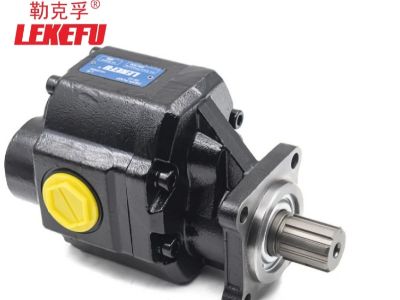
Hydraulic lifting systems are vital in various industries, including construction and manufacturing, where they facilitate the lifting and moving of heavy loads. However, like any mechanical system, they can experience issues that may disrupt operations. This article delves into troubleshooting common issues in hydraulic lifting systems, providing insights that help purchasing managers, engineers, and other B2B buyers understand key specifications and solutions. By addressing these concerns, the article aims to equip buyers with the knowledge to ensure reliability and efficiency in their hydraulic systems.
Troubleshooting Common Problems in Hydraulic Lifting Systems
Hydraulic lifting systems can face several issues that may affect their performance. Common problems include:
Fluid Leaks: One of the most frequent issues is fluid leakage, which can lead to reduced lifting capacity and system failure. Leaks often occur at hose connections, seals, or fittings. Regular inspection of these components can help identify potential leaks early.
Insufficient Lifting Power: If the system fails to lift loads as expected, it may be due to low hydraulic fluid levels or contamination within the fluid. Ensuring that the hydraulic fluid is clean and at the correct level is crucial for optimal functionality.
Overheating: Excessive heat can cause hydraulic fluid to break down, leading to reduced performance. This can be caused by overloading the system, inadequate cooling, or pump malfunction. Monitoring operating conditions and ensuring proper cooling mechanisms are in place can mitigate this issue.
Control Valve Malfunctions: Control valves manage the flow of hydraulic fluid. If these valves are stuck or malfunctioning, they can prevent the system from operating correctly. Regular maintenance and testing of control valves are essential to ensure they function properly.
By understanding these common problems, buyers can better prepare for maintenance and troubleshooting, ultimately preventing costly downtimes.
Key Specifications for Reliable Hydraulic Lifting Systems
When evaluating hydraulic lifting systems, several key specifications should be considered to ensure reliability and suitability for specific applications:
Load Capacity: This specification indicates the maximum weight the lifting system can handle. It's critical to match the load capacity with the expected operational requirements. Exceeding this limit can lead to system failure and safety hazards.
Pressure Rating: Hydraulic systems operate under high pressure. Understanding the maximum pressure rating is essential as it affects the system's lifting ability and safety. Buyers should ensure the pressure rating aligns with their operational demands.
Fluid Compatibility: The type of hydraulic fluid used can impact system performance. Buyers need to ensure compatibility with the materials of the hydraulic components to prevent degradation and ensure efficiency.
Cycle Time: This refers to the time it takes for the hydraulic system to complete one lift hydraulic operation. A shorter cycle time can improve productivity, making this an important consideration for high-demand applications.
Durability and Material Quality: The materials used in hydraulic components affect their longevity and performance. For instance, using high-grade steel or specialized alloys can enhance durability under demanding conditions.
Understanding these specifications allows buyers to select hydraulic lifting systems that meet their operational needs and ensure long-term reliability.
Solutions to Frequent Hydraulic Lifting System Malfunctions
Addressing common hydraulic lifting system malfunctions requires a proactive approach. Here are some solutions:
Regular Maintenance: Establishing a routine maintenance schedule can prevent many issues. This includes checking fluid levels, inspecting hoses and fittings for leaks, and replacing worn components before they fail.
Proper Training: Ensuring that operators are well-trained in the use of hydraulic systems can reduce the likelihood of operator error, which is a common cause of system malfunctions. Training should cover proper loading techniques, maintenance checks, and emergency procedures.
Quality Replacement Parts: When malfunctions occur, using high-quality replacement parts is crucial. Low-quality components can lead to recurring issues and may not withstand the operational demands of heavy lifting.
System Upgrades: In some cases, upgrading components or the entire system may be necessary to enhance performance. For example, adding advanced control systems can improve accuracy and efficiency.
By implementing these solutions, companies can enhance the reliability of their hydraulic lifting device and minimize disruptions.
Understanding Material Advantages in Hydraulic Lifting Components
The materials used in hydraulic lifting components play a significant role in their performance and longevity. Here are some material advantages to consider:
High-Strength Steels: Used in structural components, high-strength steels offer excellent durability and resistance to deformation under heavy loads. This material is often used for lifting arms and frames.
Aluminum Alloys: Lightweight and resistant to corrosion, aluminum alloys are beneficial for components like pumps and cylinders where weight savings are crucial without compromising strength.
Composite Materials: In some applications, composite materials can provide high strength with reduced weight. These materials can also offer resistance to environmental factors, extending the lifespan of components.
Seal Materials: The choice of seals is critical in preventing leaks. Advanced materials such as fluorocarbon or polyurethane can withstand high pressures and temperatures, ensuring better sealing properties.
Selecting the right materials based on application demands is essential for optimizing performance and minimizing maintenance costs.
Wholesale Purchasing Tips for Hydraulic Lifting System Parts
When purchasing hydraulic lifting system parts in bulk, B2B buyers should consider the following tips to ensure a successful procurement process:
Request Detailed Quotations: Provide suppliers with specific details such as required specifications, quantities, and application contexts. This allows suppliers to offer precise quotations and avoid misunderstandings regarding requirements.
Verify Supplier Credentials: Before placing an order, verify the supplier's qualifications, certifications, and previous experience in the field. A reputable supplier, like Shandong Lekefu Transmission Equipment Co., Ltd., with IATF 16949:2016 certification, can assure quality control and reliability.
Discuss Customization Options: Many suppliers offer customization for parts to meet specific application needs. Engaging in discussions about potential modifications can lead to solutions that better fit operational requirements.
Consider Lead Times: Understand the lead times for production and delivery when planning purchases. Adequate lead times can help avoid disruptions in operations, especially when dealing with parts that may require longer manufacturing processes.
Inspect Samples: Before committing to a large order, request samples to evaluate the quality and compatibility of the components. This step can help prevent future issues related to fit and performance.
By following these tips, buyers can make informed decisions that enhance their procurement processes and ensure the reliability of their hydraulic lifting systems.
Table of Contents
- Troubleshooting Common Problems in Hydraulic Lifting Systems
- Key Specifications for Reliable Hydraulic Lifting Systems
- Solutions to Frequent Hydraulic Lifting System Malfunctions
- Understanding Material Advantages in Hydraulic Lifting Components
- Wholesale Purchasing Tips for Hydraulic Lifting System Parts